

Food & probe thermometers
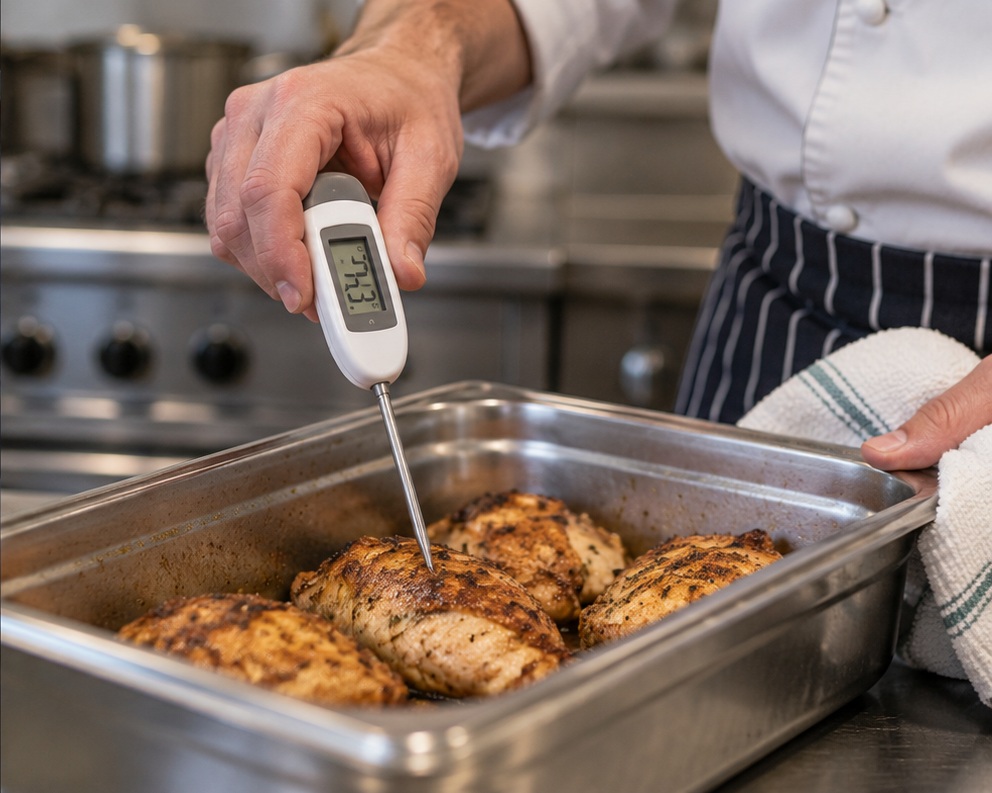
Digital food thermometers and probes used during receiving, preparation, cooking and reheating.
Professional calibration for the instruments that help keep your food operations under control. From kitchen to cold storage to delivery.
EIAC-accredited laboratory
Within the applicable accredited scope
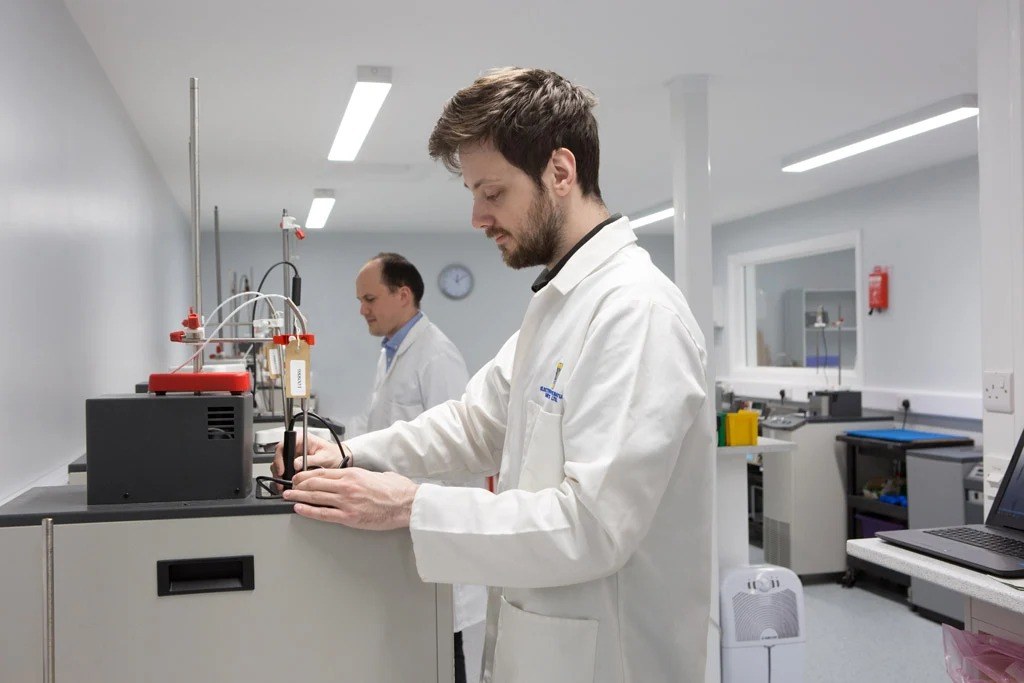
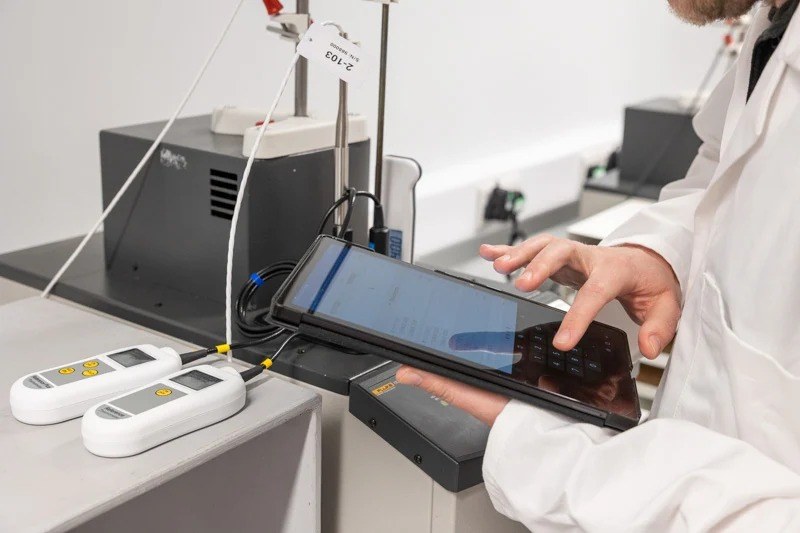 UMM RAMOOL · DUBAI · UAE
Based in Umm Ramool, Dubai, we provide professional calibration services for food operations, hospitals, healthcare facilities and food manufacturing companies, subject to equipment suitability and confirmed service scope.
As a member of the Europro Group of Companies, our laboratory supports businesses in food preparation, storage, distribution and transportation with reliable measurement equipment, appropriate calibration records and effective measurement control.
Get to know our laboratory ↗Applicable temperature and measurement equipment, calibrated with care and supported by appropriate documentation.
Applicable equipment and measurement ranges are assessed according to each instrument and its intended application.
Digital food thermometers and probes used during receiving, preparation, cooking and reheating.
Applicable non-contact temperature instruments used in food operations.
Portable data loggers and recording devices used in storage, distribution and transportation.
Fixed temperature sensors, probes and monitoring devices used throughout the cold chain.
Applicable refrigerator, freezer and cold-room temperature-monitoring equipment.
Temperature-measurement devices for ovens, deep fryers, bain-maries and hot holding.
Bench and tabletop scales used for portioning, ingredient control and routine checks. Share capacity, readability and the working load range for scope review.
Precision and digital balances used for small-quantity measurements and quality checks. Required test points and service suitability are confirmed for each instrument.
Floor and platform scales used at receiving, dispatch and storage points. Include platform dimensions, rated capacity and access conditions in your enquiry.
Production and warehouse weighing systems used for batching and material control. Equipment configuration, capacity and practical service arrangements require technical assessment.
 QUALITY, COMPETENCE & CONFIDENCE
Hams Al Sabeel Laboratory is an EIAC-accredited calibration laboratory operating in accordance with ISO/IEC 17025 requirements within its accredited scope.
Understand our accreditation →Practical support for food preparation, storage, distribution and transportation.
Appropriate reference standards, defined procedures and recorded results.
Calibration records to support your equipment and food safety programmes.
Temperature control may be needed at multiple stages of the food supply chain. Reliable instruments help businesses monitor those conditions with greater confidence.
Food production and preparation operations.
Temperature-controlled movement of food.
Incoming chilled and frozen products.
Refrigerators, freezers and cold rooms.
Temperature checks during preparation.
Applicable cooking temperature monitoring.
Monitoring the cooling process.
Checking reheating temperatures.
Maintaining food for storage and service.
Cold-chain monitoring through delivery.
Frequent use, mechanical damage, environmental conditions, temperature exposure and sensor deterioration can cause instruments to drift over time.
Regular calibration helps identify measurement deviations and maintain appropriate control of monitoring equipment.
CONFIDENCE AT EVERY CONTROL POINTRecord instrument details and the required measurement range.
Compare readings with an appropriate reference standard.
Record results and evaluate against agreed requirements.
Issue appropriate calibration documentation.
From hospital facilities to food manufacturing lines, calibration planning starts with the instruments, working ranges and records your operation needs.
Kitchen thermometers, refrigeration monitors and applicable portioning scales support receiving, preparation and service checks. Equipment registers help teams plan calibration across outlets.
Food preparation, storage and temperature-controlled delivery rely on consistent readings. Include probes, loggers and applicable weighing devices when reviewing equipment across the operation.
Temperature monitoring and ingredient weighing support repeatable preparation and production checks. Specify working ranges, required test points and equipment quantities for review.
Chilled and frozen stores use sensors and loggers to monitor conditions; receiving and dispatch may also use platform scales. Calibration plans should account for location and access requirements.
Storage and distribution teams use measurement records to review instrument performance through receiving and dispatch. Identify the devices, operating ranges and documentation your procedures require.
Vehicle monitoring instruments and portable data loggers record conditions during delivery. Confirm device configuration and applicable service scope before arranging calibration.
Temperature monitoring in refrigerators and controlled storage, plus applicable scales and balances. Each enquiry is reviewed for instrument suitability; clinical device servicing is not implied.
Temperature probes, recording devices and weighing equipment used for ingredient batching, processing and finished-product checks, with scope and test points agreed before service.
Appropriate calibration documentation can be maintained with your food safety, quality and equipment-control records.
Explore our process & records ↗Calibration supports a food safety management system. It does not itself constitute HACCP certification or regulatory approval.
A closer look at calibration instruments, laboratory equipment and measurement work.
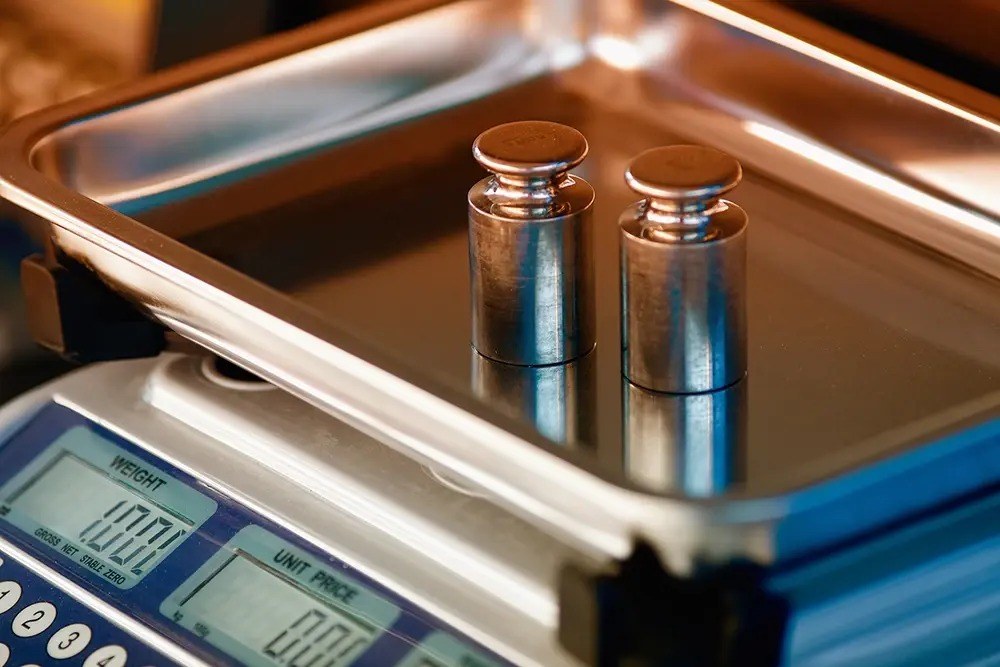
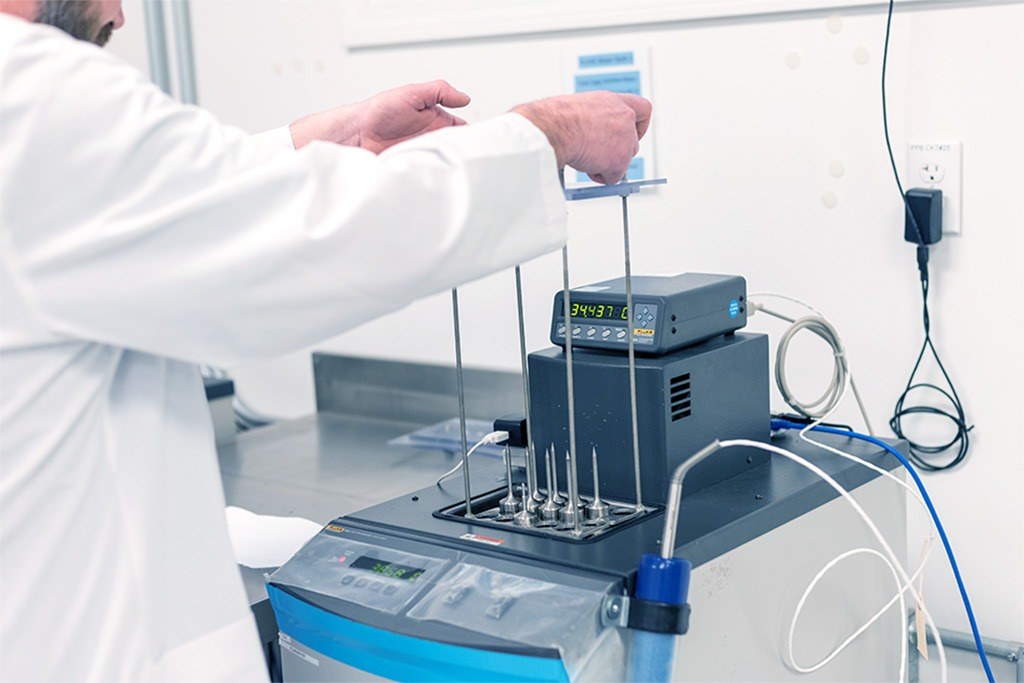
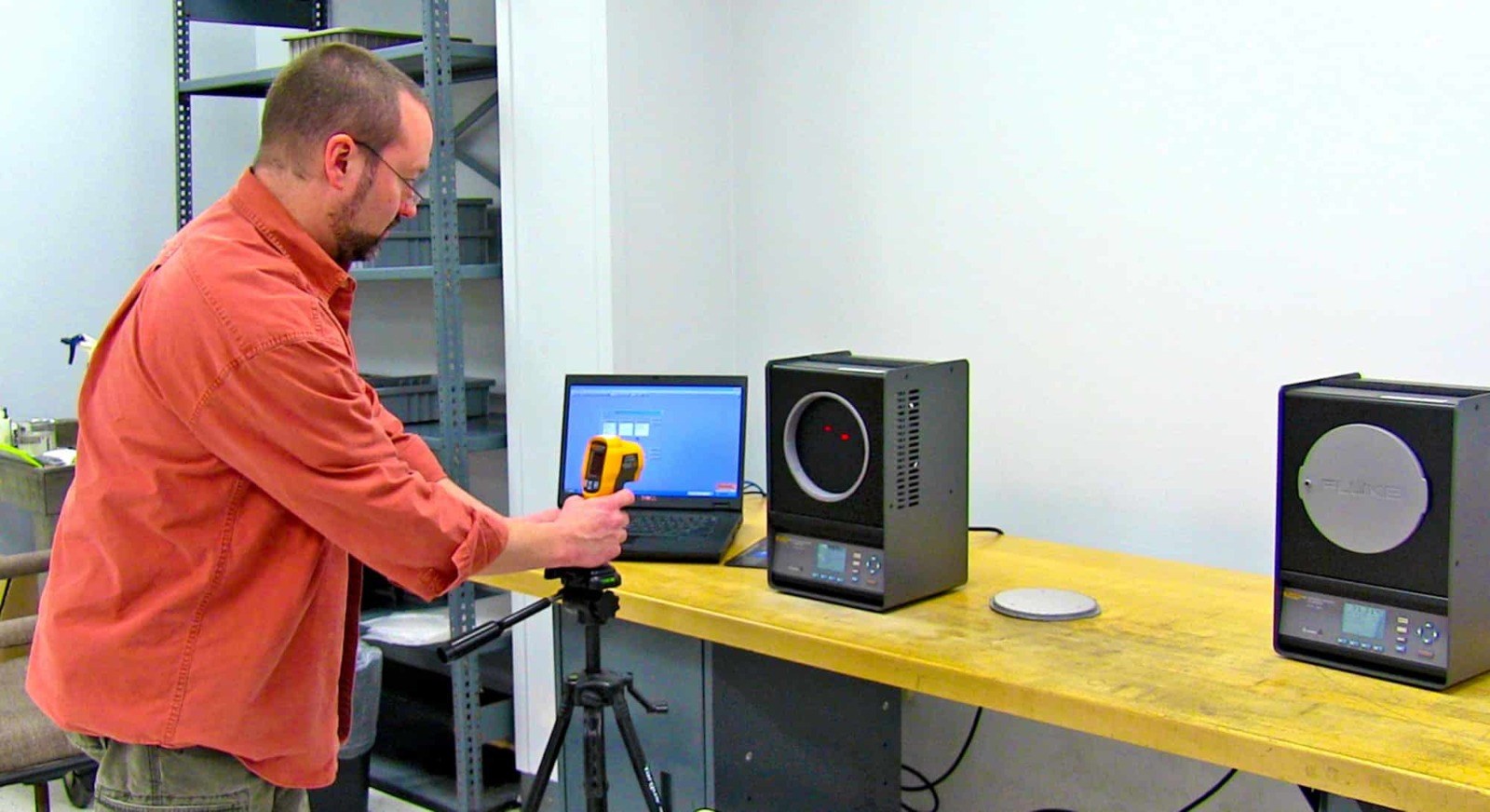
Calibration is the process of comparing an instrument's measurement with an appropriate reference standard to determine its measurement performance and, where applicable, its deviation.
Accreditation applies to the specific activities, measurement ranges and services listed within the laboratory's approved accreditation scope. Customers can contact us to confirm whether a particular calibration service falls within our accredited scope.
The appropriate calibration interval depends on factors such as equipment type, frequency of use, manufacturer's recommendations, risk, previous calibration history and applicable regulatory or food safety requirements.
On-site service may be available depending on the equipment, location and calibration requirements. Contact our team to discuss your requirements.
Explore the role of hygiene awareness, allergen controls, temperature monitoring and HACCP principles in everyday food operations.
Information and enquiry planning only. Course availability, trainers, schedules and any recognised qualifications must be confirmed separately.
Explore training topics →